





Lizette Valles
Creating Spaces for Thriving Learners
Episode 204
Lizette Valles is a passionate educator, Latina leader, and innovator in the world of alternative education. As a co-founder of the California Microschool Collective, established in 2024, Lizette has been at the forefront of the microschooling movement, advocating for personalized and trauma-informed learning environments that empower all children to thrive. She is also the founder of Compass Educators and Ellemercito Academy, a nonprofit microschool based in Los Angeles that reimagines education through experiential and place-based learning.
A first-generation college graduate, Lizette holds a Master’s in Education and has dedicated over 17 years to helping students develop critical thinking skills, a growth mindset, and empathy. Her journey in education began as a middle and high school teacher, where she quickly realized the limitations of traditional schooling and sought to create more meaningful learning experiences. Lizette’s dedication to reshaping education goes beyond the classroom; she is a passionate advocate for school choice and believes in creating learning spaces where children feel seen, heard, and valued.
Lizette’s contributions to the education field extend far beyond her own schools. During the pandemic, she organized the largest free virtual summer camp in the U.S., demonstrating her commitment to providing educational opportunities even in times of crisis. She has also authored a bilingual children’s book and served as the California & Spanish-speaking Field Coordinator for a national nonprofit, helping to expand access to education for underserved communities. Lizette’s work has been recognized through numerous accolades, including being named a fellow of the ASU Prep Microschool Entrepreneur Fellowship and receiving grants from VELA Next Step and Getting Smart’s Learning Innovation Fund. Her innovative approach to education has been featured at prestigious events such as Harvard’s Emerging School Models Conference and in media outlets including 74 Million and the Cato Institute.
Lizette’s philosophy of learning is rooted in the belief that education should be natural, joyful, and limitless. She is dedicated to creating nurturing spaces that allow students to take ownership of their learning, harness their unique talents, and make meaningful contributions to their communities. Through her leadership, Lizette continues to inspire the next generation of students and educators, pushing the boundaries of what education can be.
Lizette Valles Takeaways
Connection Over Curriculum: The Importance of Relationships in Education
The guest emphasizes the idea that forming connections with students is far more valuable than adhering strictly to a curriculum. When educators prioritize relationships, they create an environment where students feel valued and understood, which can lead to a love of learning. This approach allows for individualized instruction that caters to the unique needs of each student, fostering a sense of belonging and community. Ultimately, the guest believes that a strong connection can ignite a student’s passion for knowledge, far surpassing any standardized educational metrics.
Personalized Learning: Embracing Individual Strengths
The interview highlights the importance of personalized learning that recognizes and nurtures each student’s unique abilities and interests. The guest shares her experience in creating a micro-school environment where students are encouraged to explore their strengths rather than conform to traditional educational standards. This student-centered approach allows learners to engage with material in a way that resonates with them personally, fostering curiosity and creativity. By focusing on individual strengths, educators can help students develop a sense of agency in their learning journeys.
The Impact of Educational Trauma: A Call for Healing-Centered Environments
The concept of educational trauma is explored, with the guest noting how traditional schooling can inadvertently harm students, especially those who struggle with conventional learning methods. The guest advocates for healing-centered educational environments that recognize and address the emotional and psychological needs of students. By reframing how educators view student behaviors—as symptoms of underlying challenges rather than defiance—schools can implement strategies that support emotional regulation and foster resilience. This transformative approach aims to break the cycle of trauma and promote positive learning experiences.
Place-Based Learning: Engaging with the Community
The guest discusses the concept of place-based learning, which involves leveraging the local community and environment as a context for education. By integrating community resources and partnerships into the learning experience, students can connect their education to real-world applications. This approach not only enhances engagement but also helps students develop a sense of responsibility and ownership within their communities. The guest’s micro-school emphasizes experiential learning through field trips, community service, and collaboration with local experts, enriching the educational experience.
Cultural Identity and Representation in Education
The importance of cultural identity and representation is underscored as the guest reflects on her own experiences as a Latina educator. She emphasizes the need for diverse voices in the education system to better serve students from varied backgrounds. By acknowledging and celebrating cultural differences, educators can create inclusive environments that affirm students’ identities. This representation can empower students to embrace their heritage while also fostering empathy and understanding among peers, creating a richer educational landscape.
The Role of Parents: Collaboration for Student Success
The discussion highlights the critical role parents play in the educational journey, advocating for their involvement in shaping their children’s learning experiences. The guest stresses the need for schools to engage families in meaningful ways, incorporating their insights and concerns into educational planning. By fostering a collaborative partnership between educators and parents, schools can ensure that students receive the support they need both at home and in the classroom. This partnership can ultimately lead to better outcomes for students and a more cohesive learning community.
Embracing the Growth Mindset: Learning from Failure
Lastly, the guest touches on the importance of embracing a growth mindset in education, where failure is viewed as an opportunity for growth rather than a setback. By encouraging students to take risks and learn from their mistakes, educators can cultivate resilience and adaptability. This mindset shift allows students to approach challenges with confidence and creativity, ultimately leading to a more enriching and fulfilling educational experience. The guest advocates for creating environments where students feel safe to explore, question, and innovate without fear of judgment.
Lizette Valles Quotes
“And I think that my mind, my multiple intelligences, lean towards linguistic and definitely more on the creative side.”
“My brain works in memorizing stories and in having that human connection.”
“I don’t have to conform to anyone’s standard of intelligence because this is my own.”
“Our mission is to capture and share the stories of the people of the San Gabriel Valley.”
“I think the schedule was the biggest adjustment schooling-wise.”
“Making sure I went to class, especially since I guess universities do attendance now.”
“That was sort of like the framework on how we’re going to work together.”
“I didn’t know what I’m gonna use this for, and I still to this day like, I don’t use algebra.”
“We try to show our kids, you know, just foster their curiosity really and then let them shine.”
“She’s empowering students to think critically, embrace a growth mindset, and develop empathy through experiential place-based learning.”
“Forgiveness does not equal access.”
“Being surrounded by so many positive influences guided me on the right path.”
“There was a lot of gang activity where I grew up, so she was just trying to protect me and keep me safe.”
“I realized that I went through a very conventional form of schooling in order to eventually challenge the status quo.”
“I think that there was a level of, you know, they probably wanted us to be well-rounded, but there wasn’t as much emphasis on the other subjects.”
“Education was prioritized and so incredibly valued.”
“How do you create joyful limitless learning experiences for all children?”
“I think that we just somehow just that’s not even a part of the conversation.”
“Whatever is hysterical is historical.”
“There’s beauty in interacting with so many different ages when you’re in a multi-age setting.”
“I think we are all incredibly beautiful unique individuals.”
“Curriculum, it’s always connection over curriculum.”
“Kids are not trying to give us a hard time; they literally are having a hard time.”
“How do we break away from standardization because we are all incredibly beautiful unique individuals?”
“Life is education; education is life.”
“Connection over curriculum cannot be the other way around.”
“How can we do better? Because we know better now.”
“Forgiveness does not equal access.”
Show Notes
Music Credits Intro Euphoria in the San Gabriel Valley, Yone OG Stinger Scarlet Fire (Sting), Otis McDonald, YouTube Audio Library Outro Euphoria in the San Gabriel Valley, Yone OG

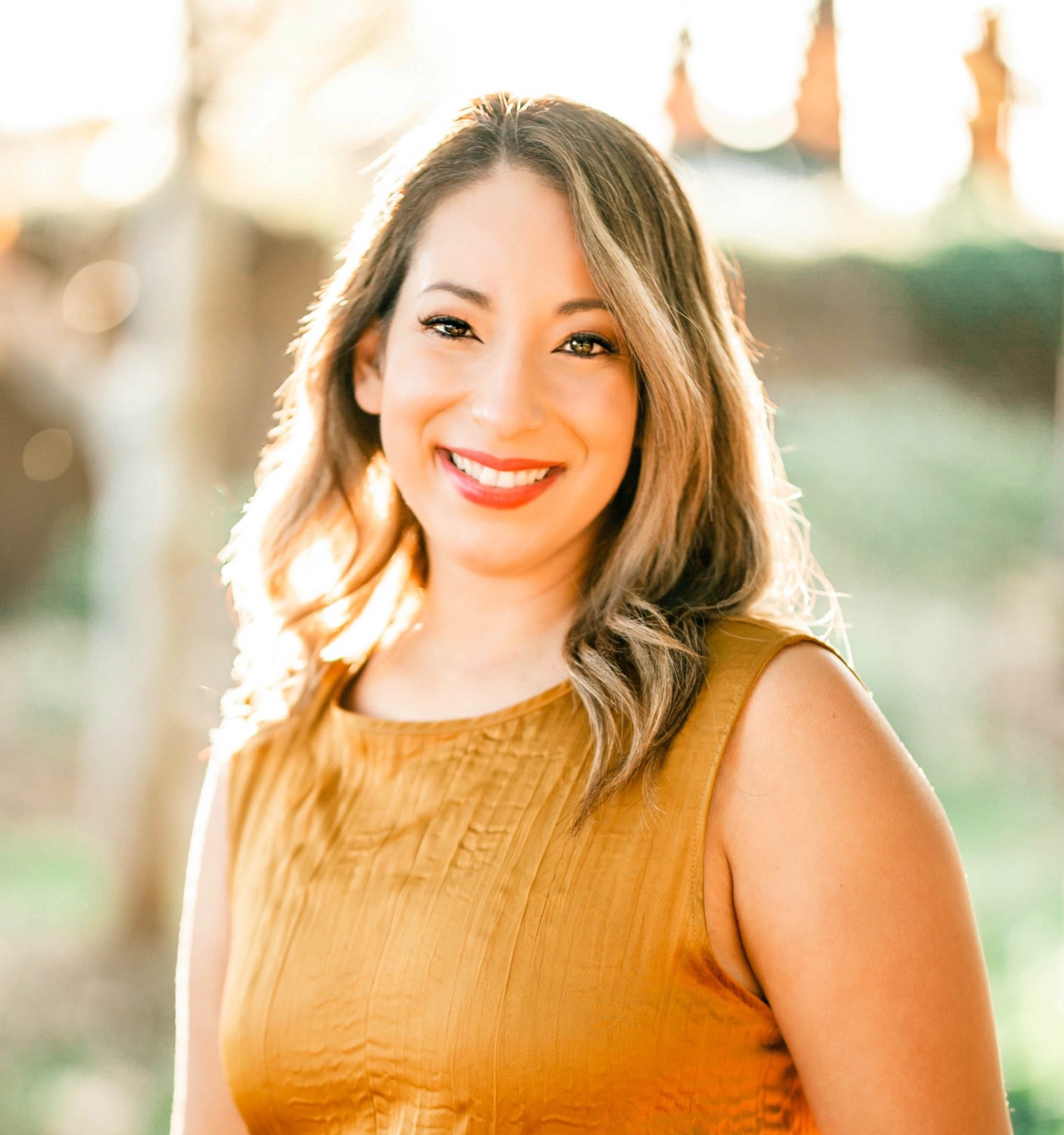
Lizette Valles
Nativity School: A Life-Changing Experience
Nativity School in El Monte played a pivotal role in shaping the guest’s life. The strong influence of the nuns, who brought their dedication and knowledge to the community, provided a formative educational experience that the guest deeply values.
Serenity Adoption Agency: A Grateful Connection
Serenity, a foster and adoption agency in West Covina, holds a special place in the guest’s heart as it was where they were matched with their son. This agency’s impact on their family is immeasurable, and despite its merger and dissolution, the guest remains thankful for the connection it provided.
Banh Mi Che Cali (El Monte)
Banh Mi Che Cali in El Monte is the guest’s go-to spot for pho, especially when feeling under the weather. This local eatery is cherished for its delicious broth and comforting atmosphere, exemplifying the rich culinary scene in the San Gabriel Valley.